Anúncios
In Brazil, soccer transcends the four lines of the pitch to become the pulse that sets the rhythm of the nation. It is more than a sport; it is a universal language that connects generations, a cultural expression that reveals the soul of a people. From the chat at the bar after the Sunday game to the collective silence during a decisive penalty for the national team, soccer is the common thread of emotions, joys and frustrations that shape Brazilian identity in a unique and visceral way.
This journey began quietly, when Charles Miller introduced the ball and the rules in the late 19th century, a pastime initially restricted to the elites. However, it didn’t take long for the sport to spill over the walls of the aristocratic clubs and find in the várzea pitches and the streets fertile ground to reinvent itself. It was there, in popular improvisation and creativity, that “ginga” was born, turning European tactical rigidity into a dance, an art form that would become known and revered worldwide as “futebol-arte,” the beautiful game.
Anúncios
This article dives deep into the soul of the game that defines Brazil. We will explore its historical roots and decode the elements that make up the Brazilian style of play, from tactical “malandragem” (street-smart cunning) to the genius of the dribble. We will revisit the giants of the game — the clubs and idols who built a legacy of glory — and analyze the phenomenon of the fans, the beating heart of the sport. Finally, we will address the challenges and opportunities of today’s landscape, including the inspiring and necessary rise of women’s soccer, which proves that this passion is always evolving.
The DNA of Brazilian Soccer: More Than a Sport, an Identity
Forget the cliché. In Brazil, soccer is the nation’s very ID card. It is much more than a sport; it is a social language spoken from north to south, a passion that shapes conversations and sets the mood of millions. The identity of Brazilian soccer is the glue that unites people of all classes and backgrounds around a common passion.
Anúncios
Soccer culture in Brazil is reflected in its unique style of play, the famous “ginga” that values creativity. This art is visible in the incredible Soccer Dribbling Techniques that reveal unique talents and enchant the world. That same passion fuels the intense, vibrant rivalry between the Biggest Brazilian Clubs, turning cities into cauldrons of emotion every matchday.
National pride peaks with the yellow jersey, and the History of the Brazilian National Team is told as an epic of glory and resilience. This feeling is now expanding to embrace the growth and importance of Women’s Soccer: Challenges and Achievements. This proves that this identity is alive and always evolving.
Roots and Evolution: The Historical Path of Our Soccer
The national passion wasn’t born fully formed, in packed stadiums with roars of “goal.” Soccer arrived in Brazil quietly, but it soon found fertile ground to become something much bigger than a simple sport. This journey, from the elite to the várzea pitches, shaped the country’s identity and the way the world sees the ball.
Understanding the history of soccer in Brazil means understanding how an entire culture was built around the ball. It is a saga of adaptation, talent and democratization. The transformation of the European sport into Brazilian “futebol-arte” is one of the most fascinating chapters of our popular culture.
The Pioneers and the Arrival of the Ball in Brazil
It all began in the late 19th century, when Charles Miller, a Brazilian of Scottish descent, returned from England carrying the first balls and a rulebook. The origin of Brazilian soccer is directly linked to this moment, with the first official match held in São Paulo in 1895. Initially, it was a sport played exclusively by the white elite at private clubs.
Away from the spotlight, however, the sport began to be absorbed by the working classes. On vacant lots and in the streets, European tactical rigidity gave way to improvisation and creativity. It was in this environment that the ginga and talent were born that would later form the basis for the incredible Soccer Dribbling Techniques that enchant the planet.
From Amateurism to Professionalism: Key Milestones
The transition from amateurism to professionalism in the 1930s was a watershed moment. This movement allowed players from all social classes to make a living from the sport, opening the door to talents who had previously been marginalized. It was the spark that lit the fuse of soccer’s mass popularization.
With professionalism, clubs grew and became stronger, turning into regional and national symbols. The rivalry between the Biggest Brazilian Clubs began to be forged during this period, creating a culture of passion that spans generations. This structuring was fundamental to building the foundation of what would become the triumphant History of the Brazilian National Team in the years that followed.
| Fundamental Pillar | Description |
|---|---|
| Cultural Identity | Works as a social language that unites the country, shaping conversations, the collective mood and national pride. |
| Historical Roots | Started by the elite with Charles Miller, it was popularized on the várzea pitches, where European rigidity gave way to Brazilian creativity. |
| ‘Futebol-Arte’ Style | Characterized by ‘ginga,’ dribbling, improvisation and tactical ‘malandragem,’ prioritizing beauty and individual genius. |
| Clubs and Idols | Institutions with passionate fan bases that form the backbone of the sport, and heroes like Pelé and Marta who inspire generations. |
| Fan Passion | Considered the ’12th player,’ Brazilian fans are a social phenomenon that turns games into spectacles of energy and support. |
| Current Challenges | The push for professional management (SAFs), fighting the early exodus of talent and strengthening new fronts, such as women’s soccer. |
The Brazilian Style of Play: Art, Cunning and Technique
Ginga, dribbling and joy define Brazilian soccer in its purest essence. More than tactics, the national style of play is a cultural expression, an art form that turns the pitch into a stage. This unique approach, known as futebol arte (the beautiful game), prioritizes the beauty of movement, individual creativity and the ability to improvise, traits that enchant the world and form the basis of the triumphant History of the Brazilian National Team.
The Brazilian style didn’t come out of nowhere; it is a direct reflection of the country’s cultural diversity. The way of playing, with a distinctive body rhythm, is shaped by influences that go far beyond sport. It is a blend that results in vibrant soccer full of personality.
The Indigenous and African Heritage on the Pitch
The famous Brazilian “gingado” has deep roots in popular culture, especially in capoeira, an Afro-Brazilian martial art that combines dance, acrobatics and music. This swing and bodily agility were transferred to the pitch, allowing players to slip past opponents with fluidity and rhythm. This cultural heritage gave Brazilian soccer a unique cadence, turning movement into a powerful and aesthetically pleasing weapon.
Tactical Cunning: The Unpredictability That Enchants
Malandragem in soccer is often misunderstood, but it is a pillar of our style. It isn’t about dishonesty but about shrewdness, the intelligence to fool the opponent with an unexpected touch, a body feint or a pass no one saw coming. It is the ability to think outside the tactical box, breaking the rigidity of European systems and betting on the genius of the moment to decide the game.
This wit is what makes Brazilian players so unpredictable and dangerous on the pitch. While other schools of soccer may focus on physical strength or strict tactical discipline, Brazilians bet on cleverness. This trait is celebrated both on the várzea pitches and in the stadiums of the Biggest Brazilian Clubs.
Dribbling and Creativity: The DNA of the Brazilian Player
No other element defines the Brazilian soccer style as much as the dribble. For Brazilian players, the dribble isn’t just a tool for moving forward but a form of expression, an act of defiance and pure joy. It is the star’s signature, the play that lifts the crowd and demoralizes the opposing defense, and one of the most studied fundamentals in Soccer Dribbling Techniques.
Great Masters of the Dribble
Brazil has produced an unmatched lineage of ball artists, players who made the dribble their trademark. These athletes not only won games but also inspired generations to see soccer as an art form. Some of the most iconic names include:
- Garrincha: The “Angel with Bent Legs,” whose bewildering dribbles were as unpredictable as they were effective, an eternal symbol of the joy of playing.
- Ronaldinho Gaúcho: A magician who treated the ball with astonishing intimacy, famous for his elastic dribbles and his infectious smile while he played.
- Neymar Jr.: The modern heir to this tradition, combining speed, agility and a vast repertoire of feints that drive defenders crazy.
- Marta: The greatest female player of all time, who embodies this creativity and dribbling skill and is a central figure in the topic of Women’s Soccer: Challenges and Achievements.
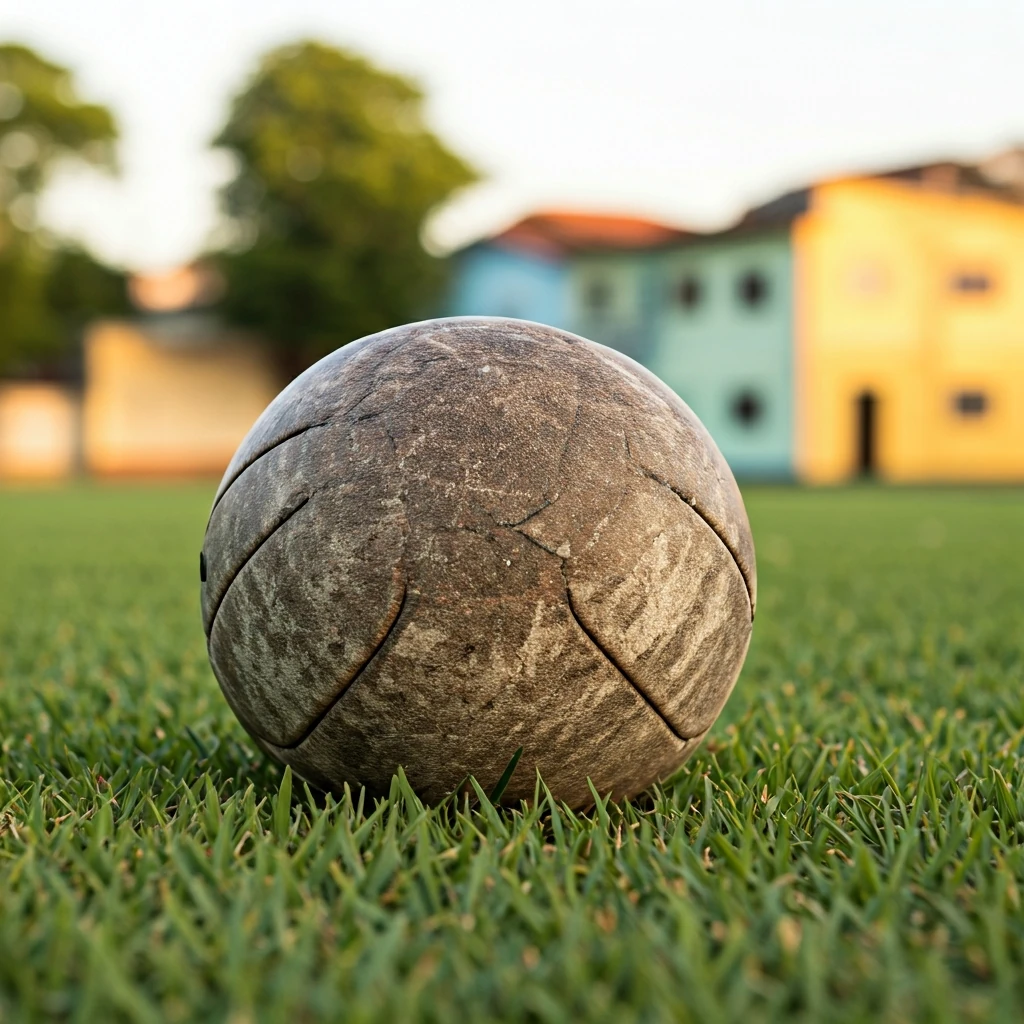
The Giants of the Game: Clubs and Idols Who Defined Eras
Talking about soccer in Brazil means talking about giants that move crowds. The country’s soccer legacy was built by clubs that represent more than just teams; they are true nations with colors, anthems and passions passed down from generation to generation. These institutions are the stage where the magic happens and where heroes are forged.
The strength of Brazilian soccer is directly linked to the greatness of its teams. They not only compete for titles but also shape the cultural identity of entire cities and states. Healthy rivalry fuels the fans’ passion and raises the technical level of the competition every season.
Clubs with History: Rivalries and Triumphs
The history of the sport in the country is told through its derbies and monumental triumphs. Clashes like the Fla-Flu in Rio de Janeiro, the São Paulo Derby between Corinthians and Palmeiras, or the Gre-Nal in the South are events that bring Brazil to a standstill. These matchups are loaded with history, banter and moments that are etched into the fans’ collective memory.
The biggest Brazilian clubs have piled up national and international trophies that attest to their greatness. Teams like Flamengo, Corinthians, São Paulo, Palmeiras and Santos, among others, not only dominated the national scene but also took Brazil’s name to the top of the world. Every title is a chapter of glory in this rich story.
From Pelé to Marta: The Gallery of Unforgettable Stars
The clubs are the cradle, but Brazil’s soccer idols are the soul of the game. Pelé, the King, transcended the sport and became a global symbol of excellence, with a career intertwined with the History of the Brazilian National Team itself. Alongside him, names like Garrincha, Zico, Romário and Ronaldo “O Fenômeno” enchanted the world with their talent.
This gallery of stars keeps growing, with players who redefined their positions and styles. Ronaldinho Gaúcho brought smiles and magic back to the pitch, with Soccer Dribbling Techniques that seemed impossible. More recently, Marta established herself as the greatest of all time, inspiring a new generation and strengthening the conversation about Women’s Soccer: Challenges and Achievements.
The Influence of Idols on Popular Culture
The impact of these athletes goes far beyond the four lines of the pitch. They become cultural references, influencing fashion, music and behavior. A brilliant dribble or a decisive goal can become the subject of a song, a T-shirt print or even a popular expression used in everyday life.
These stars become national heroes, figures who represent the resilience and talent of the Brazilian people. Their names are immortalized not only in the stands but in popular culture, proving that soccer is much more than a simple sport. It is a pillar of Brazil’s identity.
The Passion That Moves Crowds: The Phenomenon of Brazilian Fans
There is no Brazilian soccer without its pulsating fans. From the stands come the chants, the colors and an energy that turns any match into an unforgettable spectacle. The fans don’t just watch; they play along, drive the team forward and become the famous 12th player on the pitch, having a direct impact on the game and on the result.
This relationship goes far beyond the 90 minutes of play. Being a fan in Brazil is an inheritance, an identity passed from father to son that defines friendships and rivalries. The passion of Brazilian fans is a social phenomenon that unites entire communities around a crest and a jersey, creating a unique sense of belonging.
It is this devotion that fuels the rivalry and greatness of the Biggest Brazilian Clubs, turning derbies into events that bring cities to a halt. The party in the stands, with mosaics and giant flags, is living proof that, in Brazil, the soul of the game lives in the voices and hearts of those who never stop cheering.
Challenges and Opportunities: Today’s Brazilian Soccer Landscape
Our soccer doesn’t live on glory alone. Despite the passion that moves millions, the sport in Brazil faces a crossroads that will define its future. Dealing with chronic problems and embracing global trends is the only way for Brazilian soccer to remain relevant and competitive on the world stage.
The Push for More Transparency and Professionalism
Soccer management in Brazil is going through a profound transformation. Old administrative models, marked by debt and little transparency, have compromised the financial health of many teams, including some of the Biggest Brazilian Clubs. The need for modernization is no longer optional but a matter of survival to ensure sustainability.
In this context, the Soccer Corporation (Sociedade Anônima do Futebol, or SAF) emerges as a major opportunity. The transition to a corporate model seeks to attract investment, implement corporate governance and professionalize every area of the club. This change is seen as essential for balancing the books and planning for the future with greater security.
The Impact of Globalization and New Markets
Globalization presents both challenges and opportunities for Brazilian soccer. The early departure of young talent for the big European hubs is one of the main challenges facing Brazilian soccer, weakening the local league technically. However, these transfers represent an indispensable source of revenue for most clubs.
At the same time, new growth fronts are emerging that could shape the future of soccer in Brazil. The expansion of international broadcast rights, digital engagement with fans around the world and the strengthening of other forms of the game are crucial. The growth of Women’s Soccer: Challenges and Achievements is a clear example of a promising market that is gaining more and more space and attention.
Women’s Soccer in Brazil: Growth, Struggles and Recognition
Women’s soccer in Brazil is pure resistance and talent. The rise of women’s soccer in Brazil is not just a sports story but one of overcoming adversity. For decades, players faced prejudice and a lack of facilities, but their passion for the ball spoke louder, and the women’s game is now in a period of expansion in search of the recognition it deserves.
Pioneers and Breaking Barriers
Few people know it, but soccer played by women was banned by law in Brazil for almost 40 years, between 1941 and 1979. This ban delayed the game’s development and created a gigantic cultural barrier. Women who dared to play were seen as rebels, challenging rigid social norms and fighting for a space they were denied.
It was these pioneers, with courage and plenty of stubbornness, who kept the flame alive. They played on várzea pitches, organized tournaments and never gave up on the dream of simply playing. This early struggle was essential so that future generations, who enrich the History of the Brazilian National Team, would have a path to follow.
The Visibility and Support It Needs
Broadcasting games on free-to-air channels and investment from major brands have taken the women’s game to a new level. Visibility creates idols, inspires new girls and pushes for better working conditions for the athletes. The evolution of women’s soccer depends directly on this positive cycle of exposure and continuous support.
The requirement for the biggest Brazilian clubs to maintain women’s teams in order to compete in men’s competitions was a watershed moment. This measure injected resources and professionalism, improving salaries, training facilities and the technical quality of the league. Organizing a more robust calendar has also been an essential step toward growth.
Despite the progress, the fight for equality and more sponsorship continues. Support from fans, by showing up at stadiums and buying merchandise, is vital to demonstrating the sport’s commercial strength. The talent is already there, with players who master the most incredible soccer dribbling techniques, and the growth potential is immense.
Brazilian Soccer on the International Stage: Glory and Expectations
The yellow jersey commands respect anywhere in the world. And no wonder. When the Brazilian national team takes the field, the planet stops to watch, hoping to see the magic that only Brazilian soccer provides. This reputation was built with sweat, talent and, of course, many victories that have marked the history of the sport globally.
The World Cups and Brazilian Dominance
Talking about the Brazilian national team means talking about World Cups. Brazil is the only country to have played in every edition of the tournament and its most successful winner, a feat that fills any fan with pride. Each star stitched on the chest represents a golden era, with legendary squads and players who became immortal in soccer’s pantheon.
The Brazilian national team’s achievements go beyond trophies; they defined styles of play and enchanted generations. Brazil’s World Cup journey is a saga of glory, drama and unforgettable moments that form the backbone of the national soccer identity. For anyone who wants to relive these moments, taking a deep dive into the History of the Brazilian National Team is a must.
Exporting Talent: The Brazilian Brand Around the World
Brazil is a star factory, a true breeding ground that supplies the planet’s top clubs. From a very early age, the talents who emerge on the várzea pitches or in youth academies are watched by international scouts. The export of players has become one of the main hallmarks of Brazilian soccer around the world, carrying our unique style to every major league.
This massive presence of Brazilian athletes abroad reinforces the country’s image as synonymous with technical quality and creativity. Seeing a Brazilian shine in Europe or Asia is no longer news but rather confirmation of our attacking, skillful DNA. These players become ambassadors for our soccer, keeping the flame of the “jogo bonito” (the beautiful game) always burning.
The Economic Impact of Exporting Players
The transfer of these talents moves astronomical sums, representing a vital source of revenue for the clubs that develop them. This money is often reinvested in infrastructure, in developing new generations and in maintaining the competitiveness of local soccer. The sale of a single player can secure a club’s financial health for several seasons, showing the economic power of this industry.
The Future of the National Team: New Talent and Challenges
The pressure for renewal is constant. With each cycle, new talents emerge with the responsibility of honoring the legacy of their predecessors. Expectations are always high, and young players need to prove they have not only the skill but also the mentality to wear one of the heaviest jerseys in world sport.
The challenge is to maintain the standard of excellence and stay competitive in a game that is always evolving tactically. The search for a new star, the player capable of tipping the balance with incredible soccer dribbling techniques and genius, never stops. The fans remain hopeful, believing that the future holds even more chapters of glory for the national team.
The Soul of the Game: A Passion That Reinvents Itself
Tracing the path of Brazilian soccer, from its arrival with Charles Miller to the challenges of globalization, it becomes clear that its essence goes far beyond tactics and results. It is a pillar of national identity, a mirror of the creativity, resilience and passion of the people. “Futebol-arte,” devotion to the clubs and the gallery of immortal idols are chapters of a story that keeps being written with every dribble on the várzea pitches and every goal celebration in the stadiums.
The future of the sport in the country depends on striking a balance between preserving this unique soul and embracing modernization in management, transparency and equal opportunity. The growth of women’s soccer is the most vibrant proof that this passion renews itself, breaks barriers and expands. In the end, the ball keeps rolling as a powerful symbol that, in Brazil, soccer is not just a game; it is life itself in motion.
Frequently Asked Questions About Brazilian Soccer
How important is soccer to Brazilian cultural identity?
Soccer is one of the pillars of Brazilian cultural identity, working as a social language that unites people of different classes and backgrounds. It shapes national pride, especially through the Brazilian national team, and influences conversations, the mood and the sense of community across the country.
Who brought soccer to Brazil, and when?
Soccer was introduced to Brazil by Charles Miller, a Brazilian of Scottish descent. He returned from England in the late 19th century, bringing the first balls and the rulebook, and organized the first official match in São Paulo in 1895.
What are the main characteristics of Brazilian ‘futebol arte’?
Brazilian ‘futebol arte’ (the beautiful game) is characterized by creativity, improvisation and the joy of playing. Its main elements include ‘ginga,’ a bodily swing inherited from influences such as capoeira; the dribble as a form of expression; and tactical ‘malandragem,’ the shrewdness to surprise the opponent.
What are the biggest challenges facing Brazilian soccer today?
Today, Brazilian soccer faces challenges such as the need to modernize its management, moving beyond old, debt-ridden models, often through SAFs (Soccer Corporations). Other challenges include the early departure of young talent to Europe, which weakens the local league, and the need for greater investment and structure to ensure global competitiveness.
How has women’s soccer grown in Brazil in recent years?
Women’s soccer in Brazil has seen significant growth after overcoming decades of prejudice and even a legal ban. This progress is driven by increased media visibility, greater investment from clubs and sponsors, and the rise of idols like Marta, who inspire a new generation of athletes and draw bigger audiences to the women’s game.