Anúncios
For millions of people, soccer is a passion that comes down to ninety minutes, the roar of a goal and the color of a jersey. However, the most powerful stories, the deepest social transformations and the most complex business deals happen far from the pitch. This is the hidden side of the sport, a dimension in which the game reveals itself as a powerful mirror of our society, with all its glories and contradictions.
From its arrival in Brazil as an elite pastime to its embrace by the várzea pitches and the urban outskirts, soccer has become a fundamental pillar of national identity. It stopped being just a sport and turned into a universal language, a billion-dollar economic phenomenon and an arena for urgent debates about racism, inequality and gender. An idol’s career, the management of a club or the media’s coverage are pieces of a puzzle much bigger than any match.
Anúncios
This article dives deep into the layers the grass doesn’t show. We will explore how soccer shaped Brazilian culture, the economic power that drives the global market and the role of the press in building heroes and villains. We will also look at the dark side of passion, seen in fan violence, and the inspiring fight of women’s soccer for space and recognition. Get ready to discover that the most important game is the one played outside the four lines.
Popular Roots: How Soccer Shaped Brazilian Identity
Soccer arrived in Brazil as an elite pastime, but it quickly escaped the private clubs and took over the streets, beaches and makeshift fields. This popular embrace is what turned the sport into one of the pillars of Brazilian soccer identity, reflecting the passions, contradictions and immense diversity of the people. Understanding this journey of popularization, a central topic in the History of Brazilian Soccer, is essential to understanding the soul of the nation.
Anúncios
From Várzea Pitches to Stadiums: The Democratization of the Sport
The sport’s real explosion happened on the dirt pitches known as várzea fields, which spread across the outskirts of the cities. In these democratic spaces, factory workers, migrants and marginalized communities found in soccer a rare form of leisure, self-affirmation and social belonging. It was in this environment that the Brazilian style of play, more creative and full of “ginga,” began to flourish, free from the rigid European tactics of the time.
The transition from várzea pitches to large concrete stadiums marked the professionalization and definitive mass appeal of soccer in the country. With the emergence of the first popular idols, clubs became true nations, mobilizing crowds and creating rivalries that mirrored the tensions and dynamics of society. This phenomenon demonstrates the profound Social Impact of Sport, turning players into national heroes and stadiums into arenas of collective expression.
In this way, soccer culture in Brazil was built from the bottom up, becoming a powerful mirror of national life. The sport stopped being just a game and established itself as a universal language that unites different classes, generations and regions of a continent-sized country. It became the main stage on which Brazilian identity is constantly negotiated, celebrated and reinvented for the whole world to see.
Idols Beyond the Four Lines: The Stars’ Legacy Off the Pitch
A star’s true genius goes far beyond the pitch. The power of a soccer idol is not measured only in titles or goals, but in the impact he has on people’s lives. With the explosion of social media and the press, these athletes have become powerful voices, capable of influencing debates and mobilizing crowds, building a legacy that transcends the four lines.
Away from the stadium spotlight, many players dedicate themselves to causes that transform lives. They understand that fame and money bring immense responsibility. This movement is redefining what it means to be a sports hero, showing that the greatest goal is often scored off the pitch.
Voices That Inspire: Activism and Social Stances
The days when players only talked about soccer are gone. Today, many use their visibility to fight racism, inequality and other injustices, proving that soccer and activism can and should go hand in hand. Their courage in taking a stand inspires millions of fans to raise their own voices for important causes, creating a ripple effect of awareness.
When a high-profile athlete speaks out, the issue takes on a gigantic dimension. The platform they have forces society to discuss topics that are often ignored, a phenomenon that changes the dynamics of sports media. This transformation of players into figures of social activism is a fundamental chapter in the modern History of Brazilian Soccer.
Social Projects: The Stars Giving Back to the Community
Beyond words, concrete impact takes shape in practical action. Many stars invest time and resources in creating foundations and social projects, giving back to their home communities the success they achieved. This is the true legacy of soccer players: creating a cycle of opportunity and hope for those who need it most.
These initiatives go far beyond a simple donation. The projects offer everything from basic support, such as food, to professional training for young people and adults. It is proof that these idols’ commitment to change is real, demonstrating direct involvement in building a fairer future for their communities.
Education and Sports Initiatives
One of the most effective models of stars’ social impact combines education and sport. The ball works as a magnet to draw children and teenagers into a safe environment, away from the dangers of the street. Within these programs, sport becomes the main tool for encouraging kids to stay in school and develop life skills.
The long-term result is the development of citizens, not just potential athletes. By ensuring access to quality education, healthcare and mentoring, these initiatives lay the foundations for a dignified future for thousands of young people. It is the greatest demonstration of the Social Impact of Sport, proving that soccer can indeed be a powerful tool for transformation.
| Aspect of Soccer | Main Impact |
|---|---|
| Cultural Identity | Acts as a pillar of Brazilian national identity, reflecting the diversity and passions of the people from the várzea pitches to the big stadiums. |
| Economic Power | Works as a global billion-dollar industry, driving transfers, media rights and sponsorships and creating jobs across multiple sectors. |
| Media Influence | Builds narratives, creates heroes and villains and shapes public opinion about athletes and clubs, going beyond purely tactical analysis. |
| Social Issues | Serves as a platform for social activism and community projects, but also faces serious challenges such as violence between rival fans. |
| Women’s Soccer | Represents an important fight for equity and visibility, overcoming historic prejudice to establish itself professionally and commercially. |
The Economic Power of Soccer: A Billion-Dollar Industry
Far beyond the four lines, soccer works as a powerful global financial machine. The soccer economy ranges from player transfers in the so-called transfer market to gigantic broadcast rights contracts. This complex ecosystem turns the passion of millions of fans into a highly profitable business for clubs and investors.
Revenue sources are diverse and essential to sustaining the spectacle. Sponsorships emblazoned on jerseys, licensed merchandise sales and stadium ticket revenue are just some of the gears of this industry. Every commercial transaction and sponsorship deal directly influences clubs’ financial health and competitiveness.
The financial impact of soccer also boosts local economies, creating jobs and driving sectors such as tourism and services. Managing these vast resources efficiently is one of the biggest challenges, defining success on and off the pitch. Taking a deeper look at the Sports Economy is essential to grasping the true scale of the power soccer wields today.
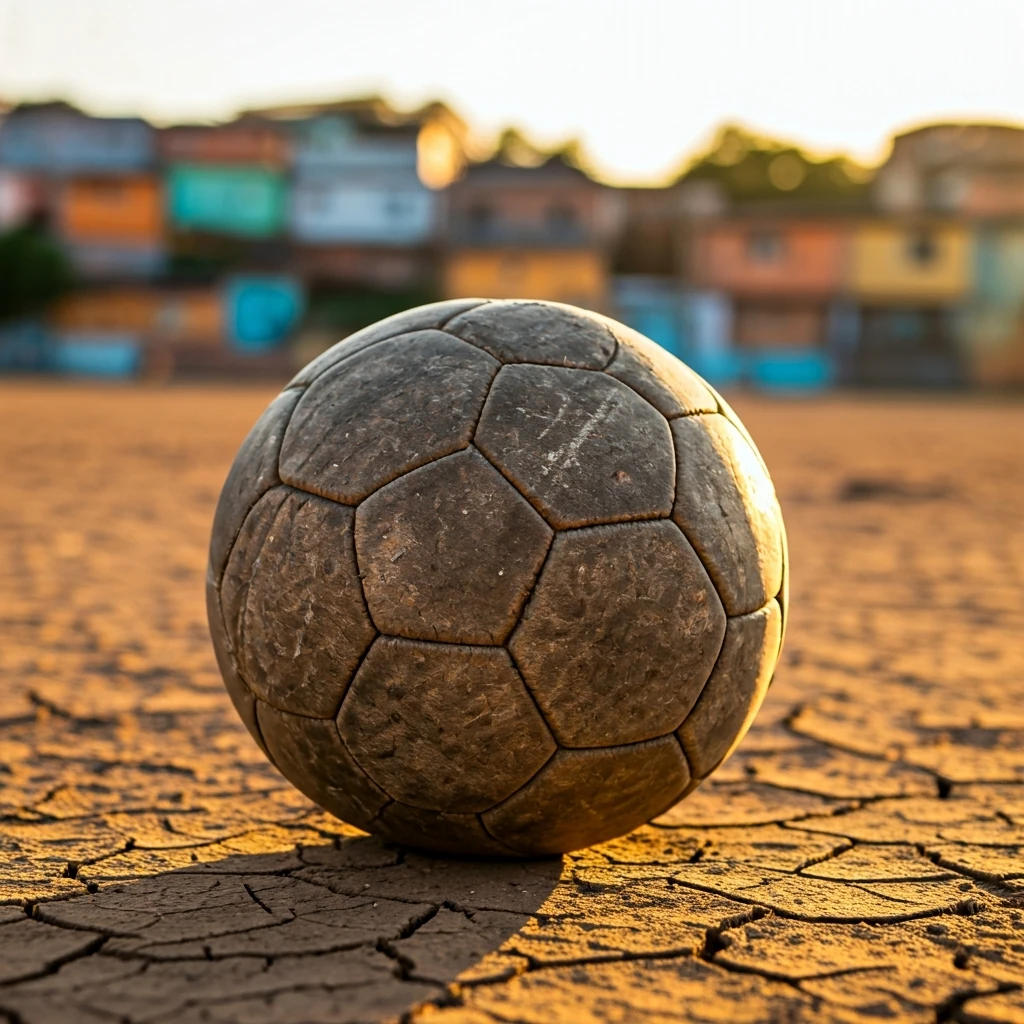
When Passion Turns to Conflict: The Dark Side of Fandom
The passion that unites millions can also turn into a battlefield. Although soccer is a celebration, the phenomenon of soccer violence tarnishes the spectacle, turning stands into arenas of fear. Clashes between fans, inside and outside the stadiums, are one of the biggest challenges for the sport’s administrators, affecting families and ordinary fans who just want to enjoy themselves.
This issue exposes a complex failure that goes beyond sporting rivalry, involving social and public safety factors. The search for solutions to ensure stadium safety is ongoing, with debates about harsher penalties, identification technologies and clubs’ responsibility. The goal is to preserve the essence of the sport, ensuring that the excitement of the game is not overshadowed by fear.
The Complexity of Organized Supporter Groups
At the center of this discussion are the organized supporter groups (torcidas organizadas), groups that were born to support their teams vibrantly. Many of them carry out social initiatives and create a unique atmosphere at games, showing the positive side of their engagement and the real Social Impact of Sport in the community. However, some factions have become notorious for episodes of violence, operating by their own logic that often defies the authorities.
Understanding the dynamics of these organizations is crucial to separating passionate support from criminal activity. The challenge is to fight violence without criminalizing the fans who genuinely contribute to the festivities. This requires a multifaceted approach, combining police intelligence, social inclusion policies and ongoing dialogue between clubs, public authorities and the positive leaders within the supporter groups themselves.
Soccer and the Media: Building Narratives and Influencing Public Opinion
The media doesn’t just tell the story of the game; it creates heroes and villains. Soccer in the media is a powerful engine that shapes how the public perceives not only the matches but the athletes, coaches and executives themselves, directly influencing careers and legacies. This narrative-building turns the sport into a continuous spectacle, with twists that go far beyond the ninety minutes.
From Radio to the Internet: The Evolution of Sports Coverage
The way we consume soccer has changed radically. In the beginning, radio brought the excitement of the stadium into people’s homes, creating a passionate connection that was fundamental to the sport’s popularization, an essential chapter in the History of Brazilian Soccer. With the arrival of television, images added a new layer of analysis and scrutiny, allowing everyone to see the replay of a controversial play or a player’s expression.
Today, the internet and streaming services offer 24/7 coverage, with real-time statistics, multiple camera angles and access to content from anywhere in the world. This transition has not only increased the volume of information but also sped up the pace of discussion and the pressure on everyone involved. The news cycle has become relentless, and a single mistake can go viral in seconds.
The Role of Pundits and Analysts in Shaping Opinion
Pundits and analysts are key cogs in the machinery of the press’s influence on soccer. They are not mere translators of what happens on the pitch; they are curators of opinion who help decide who the player of the round is or which coach is “lost.” Their analyses, repeated on debate shows and in columns, create consensus or spark controversies that dominate conversations among fans.
Tactical Analysis vs. Behavioral Analysis
Within sports analysis, there is a clear distinction. Tactical analysis focuses on systems of play, movement and strategy, offering a more technical and in-depth view of the match. Behavioral analysis, on the other hand, focuses on controversies, post-match statements and athletes’ personal lives, fertile ground for sports narratives of redemption or downfall.
While tactical analysis educates fans, it is behavioral analysis that often generates more engagement and clicks. Turning someone into a “villain” for a controversial attitude or exalting a “hero” for a gesture of leadership often has more impact on public perception than their actual technical performance, showing the media’s power when it focuses on drama.
The Rise of Social Media and Citizen Journalism
Social media broke the monopoly on information that the traditional media once held. Athletes, clubs and even fans have become content producers, creating direct channels of communication. A player can debunk a fake story with a single post, while a fan can make a video go viral from an angle the TV cameras missed, a phenomenon known as citizen journalism.
This new dynamic of Sports Media has democratized the debate, but it has also fragmented it into opinion bubbles and opened the door to misinformation. The speed at which narratives are built and torn down on social media is dizzying, challenging professional journalism to adapt and maintain its credibility in an increasingly chaotic and emotional environment.
Women’s Soccer: Struggles, Achievements and a Promising Future
Their fight has always been much bigger than the game. For decades, the history of women’s soccer in Brazil was marked by prejudice and even an outright ban, a complex chapter that tested the athletes’ resilience. They faced neglect and a lack of facilities, playing out of pure passion while society questioned their place on the pitch.
Today, the tide has finally turned. The growth of women’s soccer in Brazil is undeniable, with more investment, structured leagues and a clear Social Impact of Sport. Visibility in the Sports Media, once scarce, is starting to do justice to the talent on display on the pitch, breaking barriers and inspiring new generations.
The future of women’s soccer is extremely promising, driven by a crop of new stars and an engaged audience. Professionalization is advancing, and the Sports Economy already recognizes the enormous commercial potential of the women’s game. The challenge now is to consolidate these gains and ensure that support is a real commitment to equity, not just a passing trend.
The Globalization of Soccer: A Sport Without Borders
Soccer doesn’t need a passport and speaks a language everyone understands. From remote villages in Africa to metropolises in Asia, the passion for the ball connects cultures and breaks down barriers in a unique way. The global cultural impact of soccer is so powerful that it has become one of the greatest expressions of collective identity on the planet, reflecting the true Social Impact of Sport on a worldwide scale.
Player Migration and Diversity at Clubs
Soccer globalization is visible in the lineup of any big European team. The migration of talent, especially from South America and Africa, has turned clubs into true world all-star teams. Brazilian, Argentine and African players not only seek success in Europe but also bring with them a style of play and a culture that enrich local competitions.
This constant exchange of athletes creates a melting pot of styles and tactics, making the game more dynamic and unpredictable. Diversity on the pitch is a direct reflection of a more connected world, where talent is the only nationality that matters. This dynamic drives the Sports Economy, adding value to athletes of all backgrounds and creating global idols.
The Global Consumption of International Leagues
Gone are the days when fans followed only their local team. Today, a fan in Brazil gets up early to watch the Premier League and a fan in Japan stays up all night to see a La Liga derby. The expansion of Sports Media and the internet has democratized access to international soccer, turning national championships into global entertainment products.
Clubs like Real Madrid, Manchester United and Barcelona are no longer just teams from their cities; they have become global brands with millions of followers. This global audience fuels a cycle of billion-dollar investment in broadcast rights, sponsorships and merchandising. The way we consume soccer has changed forever, creating a community of fans that knows no borders.
Soccer and Memory: Preserving the Stories That Define the Game
The final whistle echoes, but the story of the game has only just begun to be written. Soccer is made of eternal moments, unlikely heroes and narratives that transcend generations, turning simple matches into chapters of popular culture. Preserving soccer memory is not just about keeping trophies; it’s about keeping the soul of the sport alive so that new fans understand the weight of the shirt they wear.
This preservation work is essential for connecting the past to the present, explaining why certain derbies bring the country to a standstill and why some players are revered as gods. Every goal, every save and every historic comeback forms a mosaic of emotions that defines the identity of a club and its fans. Without this memory, the sport loses its depth and becomes just a fleeting event.
The Guardians of History: Museums and Archives
Institutions such as soccer museums are true temples dedicated to this preservation. They are not just display cases for old objects but interactive spaces that tell the story of the sport and its impact on society. There, the jersey worn in a historic final or the ball from a legendary goal come to life, providing context for the rich history of soccer clubs and their protagonists.
These archives are essential for bringing legends to life, allowing fans to feel the energy of past triumphs. They serve as centers for research and education, ensuring that stories of glory and resilience are not lost over time. These places celebrate everyone from established idols to the unsung heroes who helped build the sport’s legacy.
Documentaries and Books: Narratives for New Generations
The passion for soccer is renewed through good stories, and the media plays a central role in that. Documentaries, series and biographies bring the magic of past stars and teams to the screen, introducing them to an audience that never had the chance to see them play. These productions are crucial for keeping idols and their feats relevant.
The Role of Sportswriters in Preserving History
Long before streaming, sportswriters were already the poets of soccer. With their words, they turned plays into epics and players into immortal characters, building the mythology that fuels the national passion. Sports Media, through writing and play-by-play commentary, was the first guardian of the sport’s memory, and its work remains a fundamental reference.
Living Legends: Tributes and Recognition
Preserving memory also means honoring idols while they are still with us. Statues outside stadiums, stands named after them and tribute events are powerful forms of recognition. These gestures celebrate not only titles but the Social Impact of Sport these athletes have had, inspiring millions of people on and off the pitch.
Recognizing living legends reinforces the values they represent, such as dedication, leadership and resilience. Today, this recognition is expanding to include pioneering figures who blazed trails, such as the pioneers among Women in Sport. By celebrating its heroes, soccer ensures that its most valuable legacy, its human stories, is never forgotten.
Conclusion: The Game Beyond the Game
After going behind the scenes of the sport, it’s clear that soccer is infinitely bigger than the spectacle on the pitch. It is a complex reflection of society, working as an engine for the economy, a pillar of cultural identity and a stage for important social debates. From its humble origins on the várzea to its consolidation as a global industry, soccer carries the passions, conflicts and hopes of billions of people.
Understanding its economic impact, the influence of the media, the fight for equity in women’s soccer and the challenges of violence are essential tasks for anyone who wants to see the full picture. The stories the grass doesn’t show reveal that idols can be agents of transformation and that a fan base’s passion can build or destroy. In the end, soccer’s true legacy lies not only in the trophies lifted, but in the way it continues to shape our world, for better and for worse.
Frequently Asked Questions
What influence does soccer have on Brazilian popular culture?
Soccer is one of the pillars of Brazilian national identity, working as a universal language that unites different classes and regions. Born on the várzea pitches and embraced by the masses, it reflects the passions and contradictions of the people, turning players into heroes and stadiums into stages for collective expression.
How does soccer impact a country’s economy?
Soccer impacts the economy as a billion-dollar industry that goes far beyond the pitch. It generates massive revenue through broadcast rights, player transfers, sponsorships and merchandise sales, while also boosting sectors like tourism and services and creating thousands of direct and indirect jobs.
What are the main challenges facing women’s soccer today?
The main challenges for women’s soccer are overcoming a legacy of prejudice and neglect, securing consistent investment for the professionalization and structuring of leagues, and consolidating media visibility. The fight is to turn today’s support into a lasting commitment to gender equity in sport.
How does the media shape the image of soccer players?
The media shapes players’ image by creating narratives that turn them into heroes or villains, often focusing more on behavioral aspects than on technical performance. Pundits, analysts and social media amplify these perceptions, exerting a powerful influence on public opinion and on athletes’ careers.
Can violence in soccer stadiums be fought effectively?
Yes, violence can be fought effectively through a multifaceted approach. This includes using technology for identification, harsher penalties, holding clubs accountable and, crucially, dialogue with organized supporter groups to isolate the criminal elements without criminalizing passionate fans.