Anúncios
Being a goalkeeper in soccer means constantly walking a fine line between hero and villain. In a fraction of a second, a spectacular save can make a player’s name, while a single mistake can cost a championship and haunt a career. The pressure on whoever wears the number 1 jersey is unlike any other position on the field, demanding not only refined technical skill but extraordinary mental strength to handle the responsibility of being the last barrier between the ball and the net.
Far from being just a reactive defender, the modern goalkeeper has evolved into a key part of the tactical machinery of any top-level team. Today, they are expected to be the first playmaker, starting moves with precision at their feet, and a vocal leader, organizing the entire defensive system. This versatility has increased the complexity of the position, making the study and correction of mistakes an indispensable science for performance. Understanding the origin of an error — whether technical, tactical or psychological — is the first step toward continuous improvement.
Anúncios
This in-depth article dives into the world of goalkeeper mistakes, offering a detailed analysis for players, coaches and fans of the sport. We will classify the most common types of errors, from positioning and ball-handling problems to misreading the game. We will also explore the profound psychological impact a mistake can have and present effective strategies, innovative training methods and the role of technology in preventing and overcoming these critical moments, turning adversity into learning and resilience.
The Crucial Importance of the Goalkeeper in Today’s Soccer
Hero or villain in the blink of an eye? That’s the reality of life as a soccer goalkeeper. Far from being just the last line of defense, the position has evolved dramatically, becoming a fundamental part of the tactical machinery of any top team. Today, they are expected not only to make miraculous saves but also to start plays with their feet.
Anúncios
The pressure on the number 1’s shoulders is enormous, demanding uncommon mental strength. The goalkeeper’s role transcends technique; they are a pillar of security for the whole team and the first to organize the defensive line. This psychological burden is a vast field, explored in depth by Sports Psychology in Soccer to maximize performance.
In modern soccer, the goalkeeper is the first attacker and the last defender, a hybrid role that defines a team’s style of play. The importance of the position is so evident that a mistake can cost a championship, while a stellar performance can secure glory. Effective communication, for example, is a non-negotiable skill for anyone who wears the gloves.
Classifying and Analyzing the Most Common Goalkeeper Mistakes
Every great goalkeeper has let in a historic howler. The difference lies in how they learn from it, because the types of mistakes in goal don’t happen by chance. Understanding the origin of an error is the first step to eliminating it, separating what is a problem with fundamentals from what is a poor decision in the heat of the moment.
Technical Errors: Positioning and Ball-Handling Mistakes
Technical errors are the most visible and frustrating. The infamous “butterfingers” moment when parrying an easy ball into the net, or poor positioning that leaves an angle open, are classic examples. These mistakes usually come from a poorly developed foundation, such as slow footwork or deficient catching technique, problems that Goalkeeper Training for Young Athletes aims to correct from an early age.
A goalkeeper may have sharp reflexes, but if they don’t know how to position their body to stop a low shot, the ball will get through. A lack of coordination to dive and parry at the same time, or hesitation in getting off the ground, are technical details that separate the good from the average. The fundamentals are what build the wall, and neglecting them is asking to pick the ball out of the back of the net.
Tactical and Game-Reading Errors: When Anticipation Fails
Tactical errors, on the other hand, are subtler and are born in the goalkeeper’s mind. Coming off the line for a long ball without being sure of claiming it, or failing to organize the wall for a dangerous free kick, are decisions that reveal poor game reading. Here, the mistake isn’t in the hands or feet, but in the ability to predict the opponent’s play and act intelligently.
Anticipation is a powerful weapon, but when it fails, the result is catastrophic. Misjudging a cross can leave the goal completely open for the striker. These moments of hesitation or overconfidence are fertile ground for goalkeeper errors and show how good Tactical Match Analysis and mental balance, often explored in Sports Psychology in Soccer, are just as crucial as physical ability.
| Type of Mistake | Strategy for Overcoming and Preventing It |
|---|---|
| Technical Error (e.g., butterfingers, poor positioning) | Intensive training on fundamentals, repetition of correct movements and coordination and ball-handling drills. |
| Tactical Error (e.g., misjudged come-out, poor game reading) | Video analysis to identify patterns, game-simulation training and drills that force decision-making under pressure. |
| Psychological Impact (e.g., loss of confidence after a mistake) | Applying sports psychology techniques (breathing, visualization), creating pre-game routines and working on resilience with professionals. |
| Communication Breakdown (e.g., disorganized defense) | Specific drills to develop vocal leadership, tactical training for synchronization with the defense and establishing clear commands. |
The Psychological Impact of Mistakes on Goalkeeper Performance
Let in a howler? The mind is the first to feel the blow. For a goalkeeper, the pressure on the keeper is different from any other position, because an individual mistake often results in a goal for the opponent. This direct consequence creates an immense psychological weight, generating feelings of isolation and responsibility that can shake confidence devastatingly and immediately.
A mistake rarely lives alone on the field; it brings a shadow that affects the plays that follow. Hesitation in coming off the line, a lack of confidence in catching the ball and fear of taking risks become ghosts that compromise performance. Recovering from mistakes starts in the mind, and the ability to “reset” focus is what separates good goalkeepers from great ones.
Managing Pressure: Techniques to Stay Calm
To keep a mistake from defining the game, the goalkeeper needs a mental arsenal. Controlled breathing techniques help lower heart rate and anxiety in the heat of the moment. Visualization, imagining perfect saves and successful plays, reprograms the brain for success and helps overcome the negative impact of the error.
Routine is another powerful anchor. Following a pre-game ritual, and even one between plays, helps maintain stability and focus regardless of what has happened. In addition, strong On-Field Communication: The Complete Guide with the defenders is crucial; teammates’ support and trust after a mistake can be the fastest antidote to a crisis of confidence.
This mental fortitude is built over time and with expert guidance. Sports Psychology in Soccer work is essential for developing resilience and coping strategies. Integrating this preparation from the start, as in Goalkeeper Training for Young Athletes, is fundamental to developing complete players who are psychologically prepared for the challenges of the position.
Specific Training: Methods to Improve Decision-Making
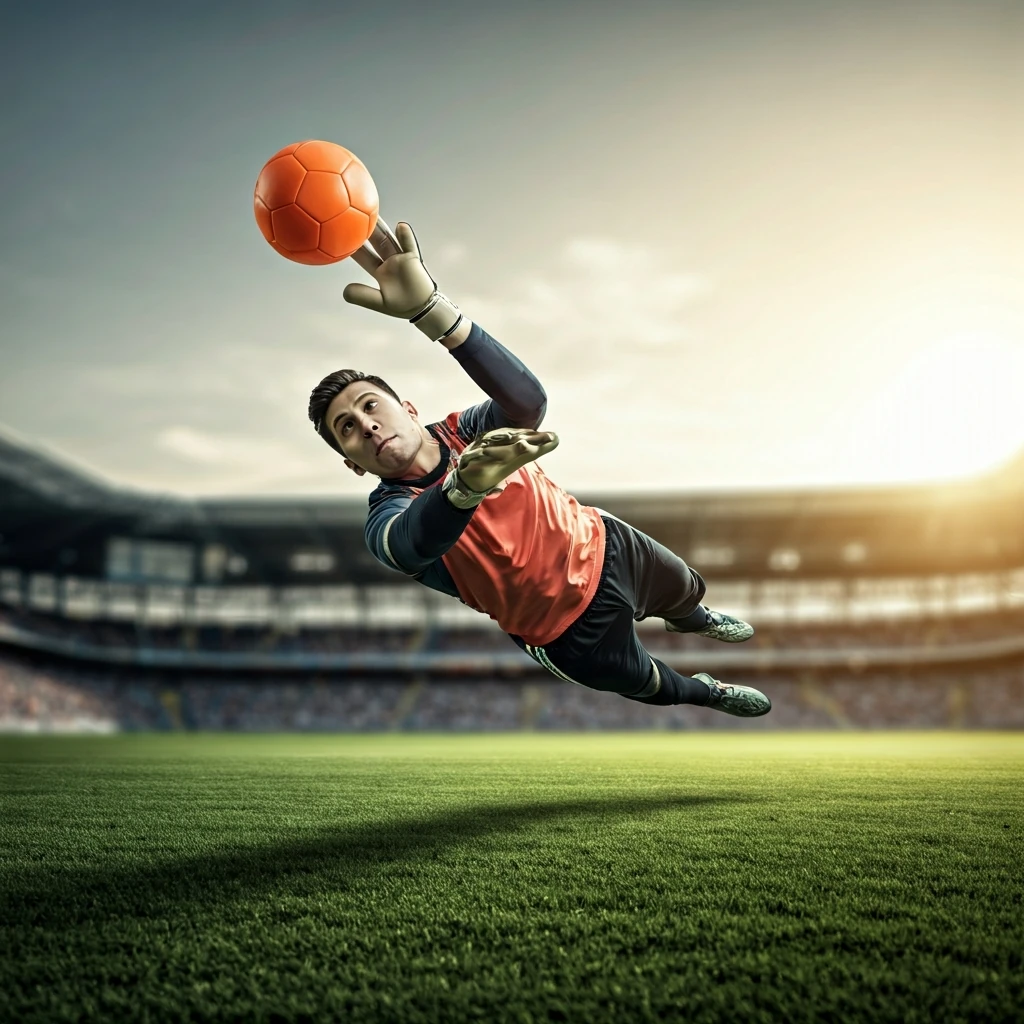
Wrong decision in goal? The lack of specific training may be to blame. Improving goalkeeper decision-making goes far beyond just stopping shots; it requires preparation to read the game in split seconds. Good modern goalkeeper training focuses on turning the player’s mind into a weapon as powerful as their reflexes.
To avoid the most common goalkeeper mistakes, you have to step out of the comfort zone of repetitive drills. The key is to put the player in situations that force the brain to process information and choose the best action under pressure. These mental agility drills are what separate a good goalkeeper from a true brick wall.
Game Simulations and Reaction Training
The best way to prepare a goalkeeper for the chaos of a match is to recreate that chaos in training. Realistic simulations, involving attackers making unpredictable decisions, are much more effective than simple shooting drills. One-on-one situations, coming out for crosses with multiple players and deflected shots force the goalkeeper to adapt instantly.
These drills sharpen anticipation and reaction speed, crucial components for any shot-stopper. The goal is to automate the correct responses, so that the right decision becomes an instinct rather than a slow thought process. Sports Psychology in Soccer plays a vital role here, helping the player maintain focus and mental clarity during these high-pressure scenarios.
Training with Multiple Balls and Varied Scenarios
To raise the difficulty, many coaches use drills with multiple balls and visual obstacles. Imagine having to stop a shot while dodging a second ball or reacting to an unexpected deflection off an inflatable mannequin. This sensory overload trains the brain to filter out distractions and focus on what really matters: the ball threatening the goal.
These methods are designed to speed up cognitive processing and improve peripheral vision. By creating a training environment that is harder than the game itself, the goalkeeper arrives at the match feeling more prepared and confident. The complexity of these drills is an advanced form of Tactical Match Analysis applied in real time.
The Importance of On-Field Communication
A silent goalkeeper is an invitation to disaster. Communication isn’t an extra, but a primary defensive tool for preventing shots before they even happen. Organizing the wall, adjusting the center backs’ positioning and warning about opponents’ movements are the goalkeeper’s direct responsibilities.
Shouting a teammate’s name or using short commands like “man on!” or “time!” can neutralize a dangerous play. This vocal leadership turns the defense into a cohesive, organized unit rather than a group of reactive players. For those looking to go deeper, On-Field Communication: The Complete Guide offers valuable strategies for all players.
Drills for Leadership and Organizing the Defense
Leadership can be trained too. Specific drills can put the goalkeeper in the role of “coach on the field,” where they must organize the defensive line against different attacking formations without the coach stepping in. The goal is to give the goalkeeper the autonomy and confidence to command their defenders.
In tactical sessions, the coach can create outnumbered scenarios, forcing the goalkeeper to use their voice to reposition the team and close down spaces. This constant practice develops natural authority, essential for their instructions to be heard and respected in critical moments of the game.
Technology and Performance Analysis in Preventing Errors
Technology has invaded the field and changed the game for goalkeepers. Today, mistakes aren’t just lamented; they are dissected by software that turns every movement into data. Technology in soccer is no longer a luxury but an essential tool in the pursuit of perfection between the posts, exposing flaws the naked eye can’t catch.
Modern coaching staffs use video analysis to decode every save, come-out and distribution. This approach, which resembles in-depth Tactical Match Analysis, allows coaches to identify bad habits and negative patterns. The result is targeted training focused on fixing the root cause of the problem instead of just treating its consequences.
Video Analysis Software and Advanced Metrics
Specialized programs make it possible to tag specific moments in a game, such as a goal conceded or a difficult save, and analyze everything in slow motion. Metrics like reaction time, movement speed and positioning angle are calculated with surgical precision. This wealth of information provides a complete diagnosis of the player’s performance, turning intuition into science.
These tools are crucial for detailing the goalkeeper’s behavior in high-pressure situations. They reveal whether the keeper hesitates to come out for crosses or positions themselves poorly for free kicks. This meticulous analysis is fundamental in Goalkeeper Training for Young Athletes, helping shape the correct technique early and preventing bad habits from setting in.
Identifying Positioning and Come-Out Patterns
With data accumulated from several games, the coaching staff can identify recurring patterns. For example, software may show that a goalkeeper tends to take an extra step the wrong way on penalty kicks or that their come-outs for high balls are consistently late. Error prevention starts with recognizing these almost unconscious habits, allowing for focused corrective work.
Physical Monitoring and Injury Prevention
Beyond technical analysis, technology monitors the goalkeeper’s physical condition in real time. GPS devices attached to vests measure distance covered, sprint intensity and number of jumps. This data is cross-referenced with heart rate information to assess the player’s level of fatigue, a factor directly linked to the incidence of fatigue-related mistakes.
Constant monitoring helps prevent overuse injuries, one of the biggest enemies of a goalkeeper’s consistency. Knowing when the body is at its limit allows the coaching staff to adjust training intensity, ensuring the player arrives on match day in top shape. Goalkeeper performance analysis necessarily involves taking care of their main instrument: their own body.
Optimizing Performance Through Data
Combining physical and technical data creates a complete profile of the player. Fatigue can directly impact decision-making and reaction speed, and the numbers prove it. Understanding this connection is a pillar of Sports Psychology in Soccer, because a tired body leads to a mind vulnerable to lapses in concentration and judgment under pressure.
The Goalkeeper-Defense Relationship: Essential Synchronization for Security
A good goalkeeper with a bad defense is a recipe for disaster. The plain truth is that a goalkeeper doesn’t play alone; their performance is directly tied to the barrier in front of them. Without sharp defensive synchronization, even the most talented keeper is exposed, turning difficult saves into impossible missions and drastically increasing goalkeeper errors.
Communication is the glue that binds goalkeeper and defense, a constant dialogue that defines positioning and cover. The goalkeeper, with their privileged view of the field, needs to be the commander, directing the center backs and fullbacks to close spaces and anticipate plays. This verbal leadership, a central theme of On-Field Communication: The Complete Guide, is what turns a collection of players into a cohesive unit that is hard to beat.
Efficient tactical organization reduces how often the goalkeeper is tested in one-on-one situations or point-blank shots. Fine-tuned coordination, worked on relentlessly in training and refined with Tactical Match Analysis, allows the defense to press the opposing attack intelligently. This reduces the pressure on the goalkeeper, allowing them to focus on timely, decisive interventions.
Case Studies: Great Goalkeepers and Their Lessons About Mistakes
Even legends make mistakes. True greatness, however, is revealed in how they bounce back after a fall. A goalkeeper’s career is an emotional roller coaster, where spectacular saves can be overshadowed by a single error. Analyzing these mistakes isn’t about pointing fingers, but about drawing powerful lessons about resilience and mental strength.
Notable Cases in World Soccer
Soccer history is full of moments when elite goalkeepers made decisive mistakes. Think of Oliver Kahn in the 2002 World Cup final, spilling a ball that seemed saveable and leading to Brazil’s first goal. Or Loris Karius’s nightmare in the 2018 Champions League final, with two errors that cost his team the title. These goalkeeper stories show that the pressure of a big game can affect anyone.
These incidents become milestones in players’ careers, testing their limits in a way few professions demand. The exposure is immediate and the criticism relentless. What happens after the final whistle, away from the cameras, is what truly defines a player’s legacy and offers a roadmap for dealing with failure in the spotlight.
Lessons in Resilience and Overcoming Adversity
Recovering from a monumental mistake is where legends are born. What goalkeepers who overcame mistakes have in common is an extraordinary mental ability to turn the page. Instead of letting the error consume them, they turn it into fuel to train harder and focus on the next challenge. This process is a clear example of the importance of Sports Psychology in Soccer in building an unshakable mindset.
Learning from mistakes is the most valuable lesson these idols offer. Many goalkeepers who lived through these moments became even stronger, using the experience to refine their technique and, above all, their resilience. These journeys are often studied in Goalkeeper Training for Young Athletes, teaching that perfection is a myth, but overcoming adversity is a real and powerful choice.
The Future of the Position: Modern Goalkeepers and New Demands
The number 1 jersey has never been as heavy as it is today. The image of the isolated goalkeeper waiting for the ball to arrive is completely outdated. Soccer trends have turned the position into one of the most tactically complex and demanding, requiring a complete athlete who masters much more than just the gloves.
The future of the goalkeeper is already here, and it demands a hybrid player capable of saving with agility and building play with the precision of a midfielder. This evolution isn’t a whim, but a necessity imposed by the speed and tactical intelligence of today’s game. Ignoring this change condemns a team to playing a man down most of the time.
The Sweeper-Keeper: Active Participation in Building Play
Forget the goalkeeper rooted to the line; the sweeper-keeper concept is the new reality. This player operates high up the pitch, acting as a last defender to intercept long balls played in behind the back line. More than that, they are the starting point of the attacking build-up, beginning play from the back with short, safe passes.
This approach allows the team to keep possession under pressure and exploit space more effectively. Good Tactical Match Analysis shows that teams with involved goalkeepers can create numerical superiority right from their own half. Their role goes from reactive to proactive, dictating the initial tempo of the attack.
Footwork Skills and Improved Vision
Skills with the feet are now as important as the ability to make saves. The modern goalkeeper needs a repertoire of short and long passes, must be able to control the ball under pressure from attackers and have the composure to choose the best option. They have become the eleventh outfield player, with distribution and organizational responsibilities.
Physical and Mental Preparation for the Top Level
Tactical evolution has also brought new physical and mental demands. Physically, the modern goalkeeper runs more, covers a larger area of the field and needs explosiveness to operate outside the box. Mentally, the load is enormous, since every decision with the ball at their feet carries the risk of a fatal error, a central theme in Sports Psychology in Soccer.
Preparation goes beyond technique, involving rapid decision-making drills and intense pressure simulations. The ability to stay calm and think clearly when a forward closes in to win the ball is what sets elite goalkeepers apart. This mental fortitude is built through specific training and a lot of preparation.
The Importance of Emotional Intelligence
Leadership and emotional control are the cornerstones of the new goalkeeper. They need to be the commanding voice of the defense, organizing positioning and conveying security to the rest of the team. Effective communication, as detailed in the guide On-Field Communication: The Complete Guide, is an indispensable tool for avoiding collective breakdowns.
Knowing how to handle the pressure of a mistake, keep your head up and continue leading the team is a sign of maturity and emotional intelligence. This resilience is one of the main focuses of Goalkeeper Training for Young Athletes, because it develops not just defenders, but true pillars for their teams.
Mastering the Goal: More Than Technique, a Mental Fortress
The journey to becoming an elite goalkeeper is paved with both memorable saves and inevitable mistakes. As we have seen, the art of defending goes far beyond agility and reflexes. It lies in the ability to decode the game, in precise communication with the defense and, above all, in the resilience to bounce back after an error. Mistakes, whether technical or tactical, are not sentences of failure, but valuable learning opportunities.
The integration of specific training, the smart use of technology for performance analysis and strong psychological preparation are the pillars that support consistency between the posts. A complete goalkeeper is one who trains their hands, their feet and, with the same intensity, their mind. By understanding the causes of their mistakes and applying the right strategies to overcome them, the player builds unshakable confidence, turning pressure into fuel and the goal into their fortress. In the end, true greatness isn’t about never failing, but about getting stronger every time you have to pick the ball out of the back of the net.
Frequently Asked Questions About Goalkeeper Mistakes
What is the difference between a technical and a tactical goalkeeper error?
A technical error refers to the faulty execution of a fundamental, such as parrying the ball to the wrong place, failing to hold on to it or having incorrect body positioning. A tactical error, on the other hand, is related to decision-making and reading the game, such as coming off the line at the wrong moment for a cross or failing to organize the wall properly.
How can a goalkeeper overcome the psychological impact of a serious mistake?
To overcome the impact of a mistake, the goalkeeper should focus on mental control techniques, such as deep breathing to calm anxiety and positive visualization to rebuild confidence. Keeping a consistent routine and relying on the support of a sports psychologist are crucial strategies for developing resilience and not letting one mistake affect the rest of their performance.
What are the most effective training methods to improve a goalkeeper’s reactions and positioning?
The most effective training methods include realistic game simulations that force quick decision-making in unpredictable scenarios. Reaction drills with deflected shots, multiple-ball drills to sharpen focus and specific positioning work relative to the ball and the goal are essential for automating the correct responses.
Does technology really help reduce goalkeeper mistakes?
Yes, technology is a powerful ally. Video analysis software makes it possible to dissect every movement, identifying patterns of error in positioning or decision-making that would be imperceptible to the naked eye. In addition, physical monitoring devices help manage fatigue, preventing mistakes caused by tiredness.
What role does the goalkeeper coach play in preventing mistakes?
The goalkeeper coach plays a central role, as they are responsible for planning and running specific training to correct identified technical and tactical flaws. They also provide mental support, help build the player’s confidence and work on the synchronization between the goalkeeper and the defensive line, acting as a mentor for the player’s complete development.