Anúncios
The search for the perfect soccer cleat is a journey every player, from amateur to pro, knows well. It is not just about picking an eye-catching design or your idol’s brand. The right cleat is an extension of your body, a precision tool that can decide the outcome of a match. In a market saturated with technologies, materials and performance promises, how do you know which pair will actually make a difference in your game?
The evolution of sports equipment has turned what was once a simple leather shoe into a piece of high-performance engineering. Today, cleats are segmented by style of play: speed, control, power and comfort. Ultralight synthetic materials compete with the classic touch of natural leather, while soleplates are meticulously designed for each type of surface, whether natural grass, artificial turf or indoor court. This complexity, while offering specialized options, can make the buying decision overwhelming.
Anúncios
This complete guide was created to be your compass in this universe. We will unpack the secrets behind each type of cleat, analyzing everything from soleplate technology (FG, AG, TF) to the role of each model for the different positions on the field. We will explore the advantages of leather versus synthetic materials and, most importantly, show you how to find the perfect fit to avoid injuries and maximize your potential. By the end of this read, you will have the confidence and knowledge you need to choose the cleat that not only fits your foot, but takes your game to a new level.
The Evolution of Cleats: Technology in the Service of Performance
Forget the heavy leather of the past. Soccer technology has changed the game, turning cleats into real weapons for your feet. What was once just protection has become an extension of the athlete’s body, focused on maximizing speed, precision and control. The shift has been from rustic material to synthetic compounds and highly engineered knits.
Anúncios
This cleat innovation is not just aesthetic; it has a direct impact on the field. Ultralight materials allow for quicker acceleration, while textures applied to the surface of the cleat improve ball control in any weather. Studs have also been redesigned, with hybrid shapes that offer tailored traction for turns and explosive bursts.
Today, every detail is designed for a specific type of player, something a good Soccer Positions Guide can break down. The constant evolution, explored in any quality Sports Equipment Review, ensures that the perfect cleat for your style of play already exists or is about to be invented, redefining what is possible between the lines.
Decoding Soleplate Types: Which Is Right for Each Surface?
Think your cleat’s soleplate is just a detail? Wrong. Choosing the right base is what separates a star from an ordinary player, directly affecting your stability, speed and even injury prevention. Understanding the alphabet soup — FG, SG, AG, TF and IC — is essential to mastering any surface.
Soleplates for Natural Grass (FG and SG): Firmness and Traction
On natural grass, the choice comes down to the weather conditions. The Firm Ground (FG) soleplate is the standard for most players, ideal for short, dry grass fields. Its studs, usually plastic and conical or bladed, offer the perfect combination of penetration and rotation to deliver traction without locking your foot into the ground.
When the rain picks up and the field turns into a mud bath, the Soft Ground (SG) soleplate comes into play. Designed for maximum grip on soft, wet ground, it uses longer, more widely spaced studs, often made of aluminum. This setup lets the field cleat dig deep into the mud, preventing dangerous slips and providing a firm footing with every step.
Options for Artificial Grass (AG and TF): Durability and Agility
Playing on artificial grass calls for a specific soleplate to avoid excessive grip that can cause injuries. The Artificial Grass (AG) soleplate has more studs, which are shorter and hollow, distributing body weight evenly and reducing pressure on the joints. A good Sports Equipment Review always highlights the importance of this type of soleplate for an athlete’s longevity.
For older small-sided turf fields, with short grass and a hard base, the best option is the Turf (TF) soleplate. It is covered with small rubber nubs that provide excellent traction without being aggressive. For indoor courts, the futsal shoe should have an Indoor (IC) soleplate, completely flat and made of rubber, which guarantees maximum grip for quick dribbles and changes of direction on a flat floor.
| Cleat Type | Main Focus | Ideal Position | Example Models |
|---|---|---|---|
| Speed | Lightness and Aggressive Traction | Strikers and Wingers | Nike Mercurial, Adidas X |
| Control | Grip and Ball Touch | Midfielders | Adidas Predator, Nike Phantom |
| Comfort / Touch | Personalized Fit and Sensitivity | Classic Midfielders and Center Backs | Nike Tiempo, Adidas Copa |
| Stability | Protection and a Solid Base | Center Backs and Goalkeepers | Sturdy leather models with a reinforced structure |
The Best Current Cleats for Strikers: Speed and Precision
Want to leave any defender in the dust? The right cleat is your secret weapon. For a striker, every millisecond counts, and the gear on your feet can be the difference between the glory of a goal and a missed chance. It is not just about style, but engineering aimed at maximum attacking performance.
The best attacking cleats are designed with one goal in mind: turning intention into instant action. That means a minimalist design, ultralight materials and a build that favors explosive acceleration. Attacking players need a tool that allows quick dribbles, powerful shots and the confidence to pull off decisive moves under pressure.
Top-of-the-Line Models: Lightness and Explosiveness
At the top of the performance pyramid, you will find cleats that are true feats of engineering. Leading brands invest millions in research and development to create models that offer a real competitive edge. These cleats are built for players whose game is based on speed and agility, and they are favorites among the world’s top goal scorers.
Nike Mercurial Vapor and Superfly: The Essence of Speed
The Mercurial line is an icon when it comes to speed cleats. Designed for linear acceleration, it features an extremely thin synthetic upper that gives an almost barefoot feel on the ball, ideal for control at high speed. The soleplate is aggressive, with studs positioned to maximize traction when bursting away.
The difference between the Vapor (low-cut) and the Superfly (high-cut with a Dynamic Fit collar) is a matter of personal fit preference. Both, however, share the same DNA: they are made for the player who lives to exploit space and beat defenders in a footrace. The build is focused on lightness and immediate response.
Adidas X Speedportal and Speedflow: Surprising Agility
While the Mercurial focuses on straight-line speed, the Adidas X line stands out for its multidirectional agility. Models like the Speedportal and the earlier Speedflow are made for the unpredictable player who changes direction abruptly to throw the defense off balance. They offer superior lockdown, ensuring your foot does not slide inside the cleat during quick cuts.
These cleats often incorporate technologies such as carbon fiber inserts for explosive energy return and an internal “agility cage” for stability. It is the perfect striker’s cleat for those who want to be not only fast, but also lethally agile in tight spaces, making every move a threat on goal.
Essential Features: Upper and Soleplate
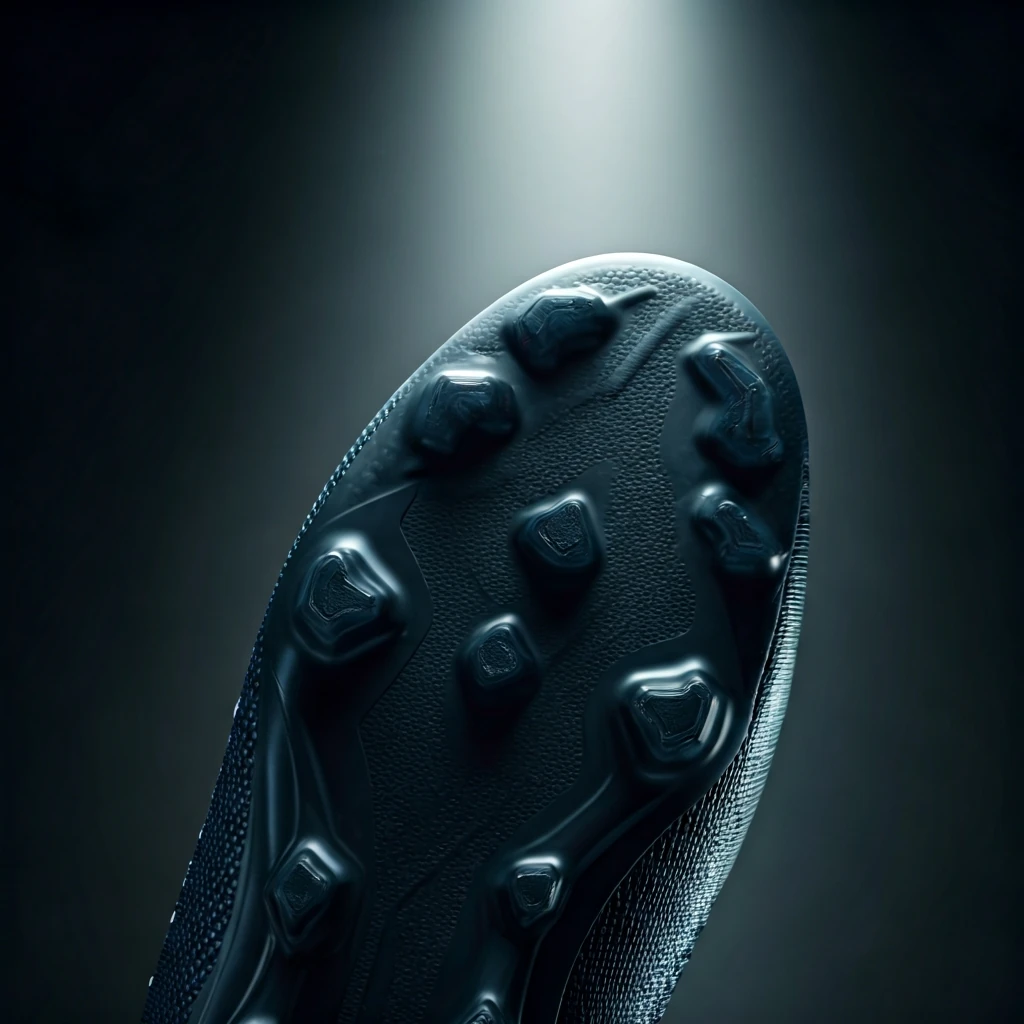
Looking at the best soccer cleats for strikers, two components stand out: the upper and the soleplate. The upper, the top part of the cleat, needs to be thin, light and often have a subtle texture to improve grip on the ball. This increases precision on shots and quick passes, making sure the ball does exactly what you want.
The soleplate is the engine of the cleat. For speed, studs are usually bladed or chevron-shaped, designed to dig into and release from the turf with maximum efficiency, propelling the player forward. The combination of a snug upper and an aggressive soleplate is the recipe for success for any finisher. A more detailed technical analysis of materials can be found in our Sports Equipment Review category.
The Perfect Choice for Midfielders: Control and Comfort
The team’s engine plays here, and the cleat is its main tool. Midfielders are the conductors of the game, setting the tempo and linking defense to attack, and they demand gear that lives up to the task. For them, a control cleat is not a luxury but a necessity, combining precise touch, stability and comfort to last 90 minutes at a high level.
The right choice amplifies a player’s ability to dominate the center of the field, where games are won or lost. A midfielder’s cleat needs to offer a reliable platform for pinpoint passes and quick turns. We looked at the models that stand out for delivering exactly this combination of performance and comfort.
Adidas Predator and Copa: Mastering the Ball
The Adidas Predator line is legendary and synonymous with power and total control on the field. Designed with textures and grip elements on the upper, it was made to “grab” the ball, making it easier to put spin on passes and shots. It is the ultimate choice for the midfielder who wants to dictate play and have a dominant presence on the field.
On the other hand, the Copa line represents the pursuit of pure touch and maximum comfort. Usually made with premium leather, it molds perfectly to your feet, providing a natural, clean feel on the ball. It is the ideal cleat for classic players who value elegance and a refined touch to distribute the ball with class and precision.
Nike Phantom and Tiempo: Touch and Versatility
Nike is betting big on innovation with the Phantom line, focused on versatility and creativity. Its design often features strategic texture across the entire upper, optimizing touch, dribbling and passing in any weather. It is the perfect tool for the modern, dynamic midfielder who needs to be decisive in tight spaces.
Finally, the Nike Tiempo is a timeless icon, one of the best cleats for midfielders who prioritize consistency. With its traditional leather upper, it delivers exceptional comfort and a cushioned touch that inspires confidence on every play. Players who need a stable platform to carry out their role masterfully will find the Tiempo an ideal partner, a concept we dig into in our Soccer Positions Guide.
Defenders and Goalkeepers: Guaranteed Stability and Protection
The last line of defense demands elite gear. For center backs and goalkeepers, the ideal defender’s cleat is synonymous with a fortress, combining sturdy materials with a design that locks the foot in place. Models with a stiffer structure and bladed or mixed studs offer the cleat stability needed for sharp cuts and physical battles, ensuring you never lose your balance at the decisive moment.
Cleat protection is also essential, with reinforced areas to absorb the impact of slide tackles and stepped-on feet. Durability is another crucial factor, since these positions take intense wear and tear. The goalkeeper’s cleat follows the same logic, prioritizing a solid base for jumping and security for distributing the ball with the feet, a topic we explore in depth in our Sports Equipment Review.
Materials and Fit: The Secret to Comfort and Performance
Having the most expensive cleat is pointless if it does not fit right. Material and fit are the soul of a good cleat, defining comfort, touch on the ball and, above all, your performance on the field. The wrong choice can turn the dream of scoring into a nightmare of blisters and injuries, directly affecting your performance.
Understanding the difference between the available materials is the first step to making a smart choice. Each option offers a distinct experience, molding to your foot and your style of play in unique ways. Technology has evolved, but the debate over which material reigns supreme is still alive in locker rooms and in discussions about the best soccer cleats.
Natural Leather vs. Synthetic: Pros and Cons
The battle between classic and modern is fought on players’ feet. Natural leather, preferred by purists, offers an unmatched feel, while synthetic materials bring technological innovation to the field. There is no single answer, only the one that best suits your needs and personal preferences.
Leather Cleats: Classic Touch and Adaptability
Natural leather, especially kangaroo leather, is synonymous with comfort and a velvety touch on the ball. Its main advantage is its ability to mold to the shape of your foot with use, providing an almost custom cleat fit. This results in exceptional comfort and greater sensitivity on contact with the ball, ideal for those who value control and precise passing.
However, leather requires more care, absorbs more water and can be heavier compared to modern alternatives. It represents tradition and the pure feel of soccer, a choice that many stars past and present will not give up to dictate the tempo of play, something that ties in with our Soccer Positions Guide.
Synthetic and Knit Materials: Lightness and Modern Technology
On the other side, we have synthetic leather cleats and knit fabrics. These materials are engineered in the lab to be light, durable and water-resistant, keeping their properties regardless of the weather. They offer a “second skin” feel, with a snug, compressive fit from the very first wear.
Knit technology in particular revolutionized the market with cleats that feel like socks with studs, promoting flexibility and breathability. Although they may not offer the same molding ability as leather, synthetics are the choice for players seeking speed, agility and a bold design, topics we explore in our Sports Equipment Review.
Why Fit Matters: How to Choose the Right Size
A poorly fitting cleat is a recipe for disaster. A shoe that is too tight can cause blisters, ingrown toenails and unbearable pain, while one that is too loose compromises stability and touch on the ball, increasing the risk of sprains. The perfect fit hugs the foot, with no pressure points, and leaves a small space (about half a centimeter) between your toes and the tip of the cleat.
Tips for Trying Them On and Avoiding Mistakes
To make sure you are making the right choice, following a few simple steps when trying cleats on can make all the difference. Ignoring these tips is a common mistake that can cost you dearly in comfort and performance. Pay attention to the details so you do not regret it after your first training session.
- Try them on at the end of the day: Your feet tend to swell throughout the day, so trying cleats on later gives you a true sense of the size you need.
- Wear your game socks: Soccer socks are a different thickness from casual ones. Bring them with you to the store to simulate real playing conditions.
- Walk around and simulate movements: Do not just stand still. Take a few steps, jump and make lateral movements to feel how the cleat behaves and whether there is any point of discomfort.
- Check the width and the heel: Make sure the cleat is not squeezing the sides of your foot and that your heel is not slipping up and down.
Value for Money: Quality Cleats That Fit Your Budget
Who said you need to sell a kidney to play like a pro? The truth is that the market is full of great-value cleats that deliver surprising performance without emptying your bank account. The secret is knowing where to look and what to prioritize in your choice.
The big brands have realized that not every player can invest in an elite model. That is why they created lines that offer technology and comfort at a fair price, proving that a cheap but good cleat is not a myth. With the right choice, you focus on what matters: your performance on the field.
Mid-Range Models: Affordable Pro-Level Performance
The “Academy”, “League” or “.2” and “.3” versions of famous cleats are your best bet. They are inspired by the models the stars wear but made with more affordable materials. The result is a mid-range cleat that offers excellent traction, precise touch on the ball and durability.
These models are perfect for those who take soccer seriously but do not make a living from it. They provide the support you need to apply your skills, which can be sharpened with good Soccer Training Tips. You get about 80% of the performance of top-tier models for less than half the price.
Sales and New Releases: Keep an Eye Out for Opportunities
Being a smart shopper is the key to saving money. Watch for end-of-season sales and clearance events, when prices drop drastically. Another pro move is buying the previous generation’s model as soon as a new release is announced.
Online stores and outlets are also gold mines for finding high-quality cleats at big discounts. Following a good Sports Equipment Review can alert you to which models are worth it and when they tend to go on sale. With patience and research, you can land amazing gear without breaking the budget.
Maintenance and Care: Extending the Life of Your Cleats
Your new cleats will not last at all if you treat them carelessly. Investing in a high-performance pair and then leaving it dirty in a bag is the fastest way to lose money. Cleat maintenance is just as crucial as choosing the right model, because it ensures that fit, traction and comfort stay intact for much longer.
Taking good care of your gear is a reflection of your dedication to the sport. Just as you sharpen your technique with good Soccer Training Tips, your equipment also needs attention to deliver peak performance. Cleat durability depends directly on your habits after every match or training session.
Step by Step for Effective Cleaning
Learning how to clean cleats properly is the first step to ensuring they last. The process is not complicated, but it requires attention to detail so you do not damage sensitive materials such as leather or modern synthetic fabrics. A consistent cleaning routine prevents the buildup of dirt that can compromise the structure and flexibility of the shoe.
Removing Mud and Heavy Dirt
As soon as you leave the field, knock your cleats together to remove excess mud and grass. Use a soft-bristle brush or a wooden stick to remove dirt stuck in the studs and soleplate. Avoid metal or very hard tools, as they can scratch and permanently damage the soleplate and studs, affecting their performance.
Cleaning the Upper and Soleplate
With the heavy dirt removed, prepare a solution of warm water with a little mild soap. Use a soft cloth or sponge to gently clean the upper, the top part of the cleat, removing stains and residue. For the soleplate, you can use a slightly firmer brush, making sure all the studs are completely clean.
Proper Storage: Avoiding Damage and Odors
Tossing wet, dirty cleats into your backpack is the most common and destructive mistake. Moisture speeds up the breakdown of materials and creates the perfect environment for odor-causing bacteria to multiply. Proper storage is essential to caring for your cleats and keeping them ready for the next game.
Tips for Drying and Ventilation
Never dry your cleats in direct sunlight, near heaters or with a hair dryer, as excessive heat warps the material and dries out leather. The best way is to let them air-dry naturally in a well-ventilated, shaded spot. To speed up the process and absorb moisture from inside, stuff them with balls of newspaper, replacing the paper every few hours.
The Final Choice: The Ideal Cleat Is Yours
Throughout this guide, we have unpacked the technologies, materials and designs that define the best cleats on the market. It is clear that there is no single “best soccer cleat”, but rather the ideal cleat for each player. The perfect choice is a personal equation that balances your style of play, the position you play, the type of field you play on most often and, above all, comfort and fit on your feet.
Whether you are a striker looking for explosive speed, a midfielder who sets the tempo with control or a defender who needs maximum stability, there is a pair designed for your needs. Remember that the most expensive model, or the one your favorite player wears, will not always be the best one for you. Prioritize fit, take your time trying them on and trust the feel the shoe gives you. Finding the right cleat is like finding a trusted partner for the battle on the pitch – one that will give you the confidence to play your best soccer.
Frequently Asked Questions About Soccer Cleats
What is the difference between field cleats and turf shoes?
The main difference is in the soleplate. Field cleats (FG/SG) have longer, fewer studs, designed to dig into natural grass and provide traction. Turf shoes (TF), on the other hand, have many small rubber nubs, ideal for artificial turf, distributing weight and preventing the foot from getting stuck in the grass.
How often should I replace my cleats?
Durability depends on how often you use them, the quality of the material and field conditions. For regular players, replacing them every one or two seasons is a good average. Inspect the wear on the studs and the condition of the upper to decide when the time is right.
Is it better to buy natural leather or synthetic cleats?
There is no single answer. Natural leather offers superior comfort and molds to the foot, providing a classic touch. Synthetic material is lighter, more durable and water-resistant, favoring speed. The ideal choice depends on your personal preference for touch and feel or for lightness and modern performance.
How do I know the right cleat size?
The cleat should have a snug fit without squeezing. There should be a small space, about half a centimeter, between the tips of your toes and the front of the cleat. Try them on at the end of the day, when your feet are more swollen, and wear the same socks you play in.
Are the most expensive cleats always the best?
Not necessarily. The most expensive cleats feature the latest technologies, but the “best” cleat is the one that fits your foot perfectly, meets the needs of your style of play and fits your budget. Comfort and fit matter more than price.